Why Concrete Scanning Is a Must for Safe Construction in the UAE

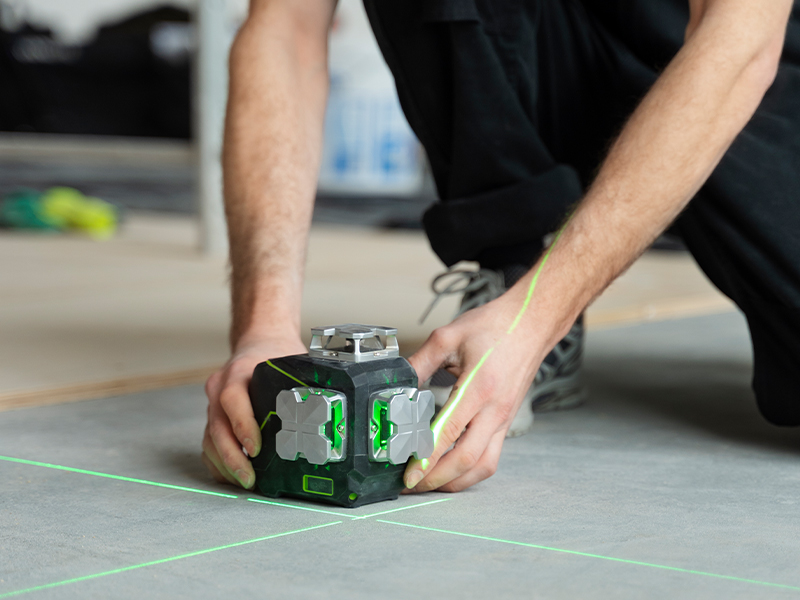
Construction worker preparing for concrete scanning

In the UAE’s fast-growing construction landscape, where new towers, commercial spaces, villas, and infrastructure projects rise every day, accuracy and safety are non-negotiable. One small mistake beneath a concrete surface can lead to costly damages, project delays, and serious safety risks.

This is why concrete scanning has become an essential step in every drilling, coring, cutting, and renovation project in the UAE. With advanced technologies like Ground Penetrating Radar (GPR), concrete imaging helps uncover hidden hazards before any work begins.

Below is a complete guide to why concrete scanning is crucial and how it ensures safe, precise, and cost-effective construction.

What is Concrete Scanning?

Concrete scanning is a non-destructive testing (NDT) method used to detect embedded objects and subsurface conditions within concrete structures. Using GPR and advanced imaging tools, surveyors can identify:
  • Reinforcement bars (rebar)
  • Post-tension cables
  • Electrical conduits
  • Water pipes
  • Voids and honeycombs
  • Structural defects
  • PVC/metallic utilities
  • Thickness of concrete slabs
This ensures construction teams know exactly what lies beneath the surface before drilling or cutting.

Why It is Critical for Safe Construction in the UAE

1. Prevents Hitting Reinforcement Bars (Rebar)

Rebar is critical to the strength of any structure. Accidentally cutting or damaging it while drilling or coring can weaken the building’s stability. Concrete scanning accurately locates rebar depth, spacing, and layout, helping workers avoid structural damage.

2. Avoids Striking Live Electrical Cables

In many UAE buildings, electrical conduits run within slabs and walls. Damaging a live cable can lead to:
  • Electric shocks
  • Fire hazards
  • Costly electrical repairs
  • Immediate project shutdown
Scanning helps detect the exact position of these conduits, ensuring safe and risk-free construction work.

3. Identifies Buried Plumbing Lines and Water Pipes

Hitting water lines can cause flooding, leakage, mold, and expensive restoration. GPR imaging accurately reveals:
  • Metal pipes
  • PVC conduits
  • Drainage lines
This prevents unnecessary breakages and water damage.

4. Detects Voids, Honeycombs, and Structural Weaknesses

In some cases, concrete may have hidden voids or poorly compacted areas. These weaknesses can:
  • Affect load-bearing capacity
  • Lead to structural cracks
  • Compromise safety during drilling or cutting
Concrete scanning highlights such defects early, enabling corrective action.

5. Essential for Drilling, Coring, and Anchor Installation

Before:
  • Installing anchors
  • Creating openings
  • Fixing HVAC equipment
  • Mounting signage
  • Cutting slabs or walls
Scanning ensures the area is free from hazards and the structural integrity remains intact. This is especially important for high-rise buildings and commercial projects in Dubai, Abu Dhabi, Sharjah, and other emirates.

6. Saves Time, Money, and Prevents Project Delays

Repairing a cut cable or damaged rebar costs far more than proper scanning. Concrete scanning helps avoid:
  • Rework
  • Unplanned shutdowns
  • Service disruptions
  • Replacement costs
  • Penalties due to delays
For contractors and consultants, it’s a long-term investment in efficiency.

7. Guarantees Compliance with National Safety and Construction Guidelines

Authorities, consultants, and major developers increasingly require non-destructive testing before modifying or altering structural components. Concrete scanning helps:
  • Meet safety regulations
  • Obtain approvals faster
  • Maintain audit-ready documentation
Accurate Survey provides detailed reports that support compliance for all types of construction activities.

8. Ideal for Renovation and Retrofitting Projects

Older buildings often lack updated drawings. Concrete scanning provides an accurate picture of what’s inside the structure, making it critical for:
  • Renovation
  • Structural modification
  • Fit-out works
  • Facility expansion
It eliminates guesswork and ensures every step is backed by precise data.

Where Concrete Scanning is Used in the UAE

Concrete scanning is essential across multiple sectors, including:
  • Residential and commercial towers
  • Industrial facilities
  • Retail and mall fit-outs
  • Hospitals and educational institutions
  • Roads, bridges, and infrastructure projects
  • Airports, ports, and logistics zones
  • Oil & gas sites

Why Choose Accurate Survey for Concrete Scanning in UAE?

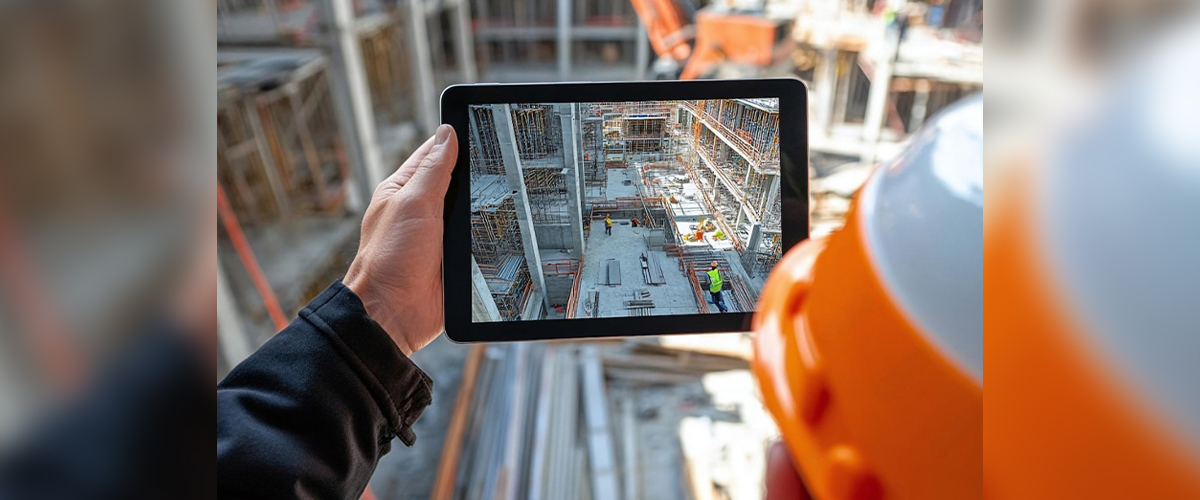
 Engineers planning concrete scanning at a construction site Accurate Survey brings advanced technology and expert technicians to ensure unmatched precision and safety. We offer:
  •  Advanced GPR & concrete imaging systems
  • High-accuracy detection of all embedded utilities
  • Qualified and experienced survey engineers
  • Comprehensive reports with mapping and depth analysis
  • Fast response and on-site support across UAE
  • 100% non-destructive and safe testing
We deliver reliable data that contractors, consultants, and facility managers can trust to make informed decisions. Concrete scanning is no longer optional; it’s a must for safe, compliant, and efficient construction in the UAE. By detecting hidden utilities, structural elements, and potential hazards, scanning prevents costly mistakes and ensures every project proceeds with confidence. Whether you’re planning drilling, coring, renovation, or structural modifications, Accurate Survey provides the precise subsurface insights you need before taking the next step.

Frequently Asked Questions

Concrete scanning is a non-destructive method used to detect rebar, cables, pipes, voids, and embedded utilities within concrete. It ensures safe drilling, cutting, and construction work by preventing accidental damage and structural risks.


Many firms, including Accurate Survey, rely on GPR and other advanced imaging technologies. These technologies provide high-accuracy detection of subsurface elements without damaging the structure.

Concrete scanning is recommended before:


  • Drilling or coring

  • Structural modifications

  • Renovation or retrofitting

  • Installing anchors

  • Cutting walls or slabs

  • Fit-out works


It helps avoid hitting live utilities or structural components.


Concrete scanning can identify:


  • Rebar and post-tension cables

  • Electrical conduits

  • Water pipes and plumbing lines

  • Voids, honeycombs, and defects

  • Concrete thickness

  • Metallic and non-metallic utilities

While not always legally mandatory, it is strongly recommended and often required by consultants, safety officers, and developers to prevent hazards, delays, and violations of construction standards.

The size and intricacy of the area determine how long it takes. Most small areas can be scanned in 30–60 minutes, while larger commercial projects may take several hours
While not always legally mandatory, it is strongly recommended and often required by consultants, safety officers, and developers to prevent hazards, delays, and violations of construction standards.

The size and intricacy of the area determine how long it takes. Most small areas can be scanned in 30–60 minutes, while larger commercial projects may take several hours.
No. Concrete scanning is a completely non-destructive method. It requires no drilling, cutting, or any form of structural damage..

Accurate Survey offers:


  • High-precision GPR technology

  • Expert survey engineers

  • Quick on-site response

  • Detailed analysis reports

  • Accurate mapping of embedded utilities

  • Reliable support for contractors and consultants


We ensure safe, compliant, and efficient construction planning.


Yes. Ground Penetrating Radar (GPR) is completely radiation-free and safe to use in occupied areas such as offices, malls, hospitals, and residential buildings. Unlike X-ray testing, GPR does not require safety barriers or evacuation zones.
GPR offers excellent accuracy, typically achieving 10-20 mm depth accuracy and around 50 mm spacing accuracy under ideal conditions. This makes it highly reliable for locating rebar, post-tension cables, conduits, and utilities within concrete.
Concrete can be scanned, but wet or freshly poured concrete affects signal clarity. For best accuracy, scanning is recommended after 28 days, once the concrete has cured properly.

Yes. Accurate Survey provides same-day urgent scanning support, especially for fast-track projects across Dubai and other UAE locations. Our team prioritizes critical work to ensure minimal delays for contractors.

Shopping Cart (0 items)